
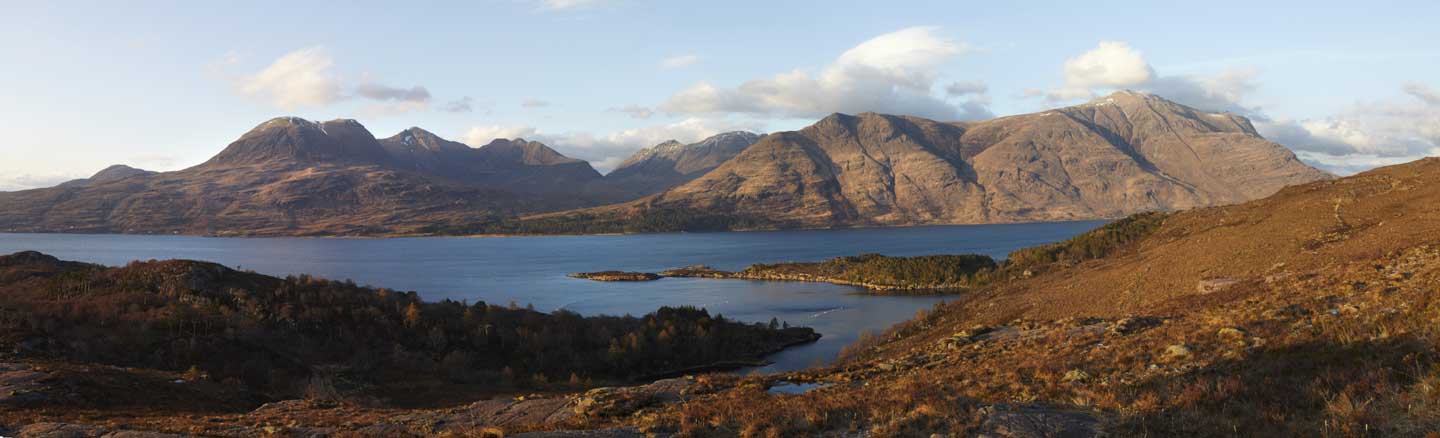
Scotland's North Coast 500 has earned a reputation as one of the world's greatest road trips.
Stretching for over 500 miles from Inverness through Scotland's North Highlands, this spectacular route features dramatic coastlines, ancient castles, white-sand beaches, mountain passes, and some of the country's most remote landscapes.
Whether you're planning a self-drive adventure or joining a guided tour to experience the route for yourself, the North Coast 500 won't disappoint.
If you're wondering What is the North Coast 500?, or searching for the best stops on the North Coast 500, this guide highlights ten of the most breathtaking places along the route.
What is the North Coast 500?
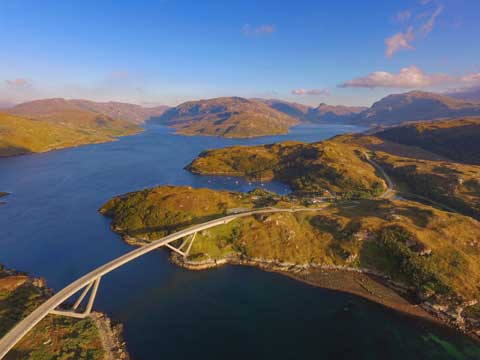
Where Does the North Coast 500 Start and Finish?
How Long Does It Take to Drive the NC500?
1. Bealach na Bà – The Most Famous Road on the North Coast 500
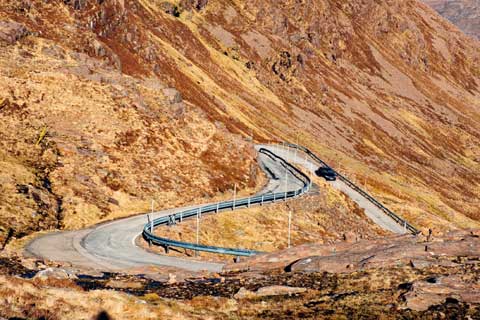
No list of North Coast 500 highlights would be complete without the famous (or could that be infamous?) Bealach na Bà.
Meaning "Pass of the Cattle" in Gaelic, the route was originally a drovers' route used to take livestock through the mountains to market.
Driving Scotland's Highest Mountain Pass
This mountain pass climbs dramatically through the Applecross Peninsula and is often compared to some of Europe's hair-raising alpine roads.
The "Bealach", as it's known locally, is the fourth-highest road in the UK (630m/2,067ft).
Why Visit?
Hairpin bends and sharp inclines offer incredible panoramic views of the islands of Raasay and Skye. On a clear day, it may be possible to see the Outer Hebrides in the distance.
2. Applecross – A Remote Highland Village on the NC500
After descending from Bealach na Bà, the picturesque village of Applecross awaits. Overlooking a peaceful bay, this remote settlement feels wonderfully detached from modern life.
Visitors can enjoy coastal walks, fresh seafood served at the famous Applecross Inn and magnificent views across to the Isle of Skye.
History of Applecross and St Maelrubha
The village was the second Christian settlement in Scotland, after the Isle of Iona, when in 673 Maelrubha landed from Ireland and founded a monastery on land near the village.
Why Visit?
The combination of mountain scenery and coastal beauty makes Applecross one of the most photographed locations on the entire NC 500 route.
3. Torridon – Spectacular Mountain Scenery on the North Coast 500
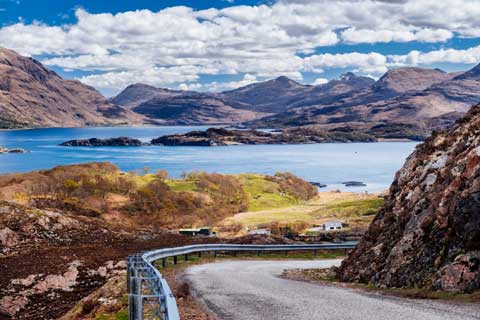
Exploring Liathach, Beinn Alligin and Beinn Eighe
Why Visit?
Torridon offers some of the finest mountain scenery in Britain and many opportunities to take stunning photographs.
4. Ullapool – Gateway to Scotland's Northwest Highlands
Nestled on the shores of Loch Broom, Ullapool is one of the largest settlements on the route and a popular stopping point for visitors.
Fishing Boats and Island Ferries
Ullapool is a bustling fishing and ferry port with regular sailings to Stornoway on the Isle of Lewis in the Outer Hebrides.
The attractive harbour town, designed by Thomas Telford, offers excellent restaurants, local culture, and stunning views across the loch towards the surrounding mountains.
Why Visit?
Ullapool has a magnificent loch-side setting and is an ideal base for exploring the northwest coast.
5. Knockan Crag – Discover the Geology of the Scottish Highlands
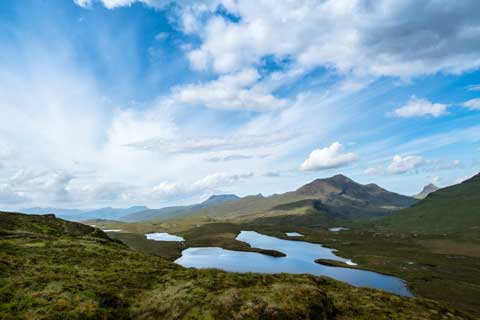
Walking Trails and Views Across Assynt
Why Visit?
The combination of geological significance and outstanding scenery makes Knockan Crag one of the route's most rewarding stops.
5. Ardvreck Castle – One of Scotland's Most Photographed Ruins
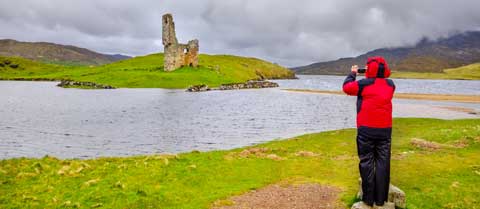
Perched on the shores of Loch Assynt, the ruins of Ardvreck Castle create one of the most atmospheric scenes on the North Coast 500.
The History of Ardvreck Castle
Built in the 15th century by the MacLeods of Assynt, the castle has become one of the Highlands' most photographed landmarks.
Why Visit?
The dramatic combination of a ruined castle, a mountain backdrop, and a loch-side setting creates a truly unforgettable view.
6. Achmelvich Beach – Scotland's Caribbean-Style Sands
Many first-time visitors are surprised to discover beaches that rival those found in the Caribbean.
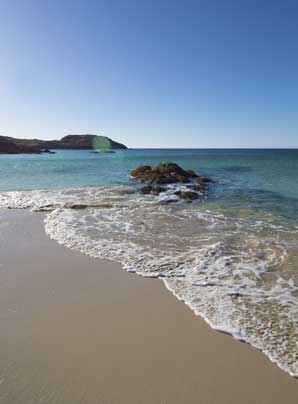
Achmelvich Beach features brilliant white sand and remarkably turquoise waters. On sunny days, it is difficult to believe you are in northern Scotland.
Why Visit?
This beautiful beach offers a completely different side of the Highlands and is one of the most stunning coastal locations on the NC500.
8. Durness – Beaches, Cliffs and Smoo Cave
Located on the north-west corner of Scotland, Durness is famous for its dramatic coastline and spectacular beaches.
Nearby attractions include Smoo Cave, a huge sea cave carved into the cliffs, and Balnakeil Beach, one of Scotland's finest stretches of sand.
Why Visit?
Durness showcases the raw power of Scotland's Atlantic coastline and offers some of the finest views along the North Coast 500.
9. Dunnet Head – The Northernmost Point of Mainland Britain
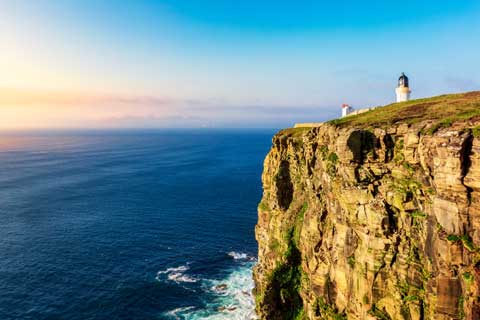
Many visitors assume John O'Groats marks the most northerly point of mainland Britain, but that distinction actually belongs to Dunnet Head.
Puffins, Seabirds and Coastal Wildlife
The cliffs here form part of a wildlife sanctuary that is home to a wide variety of seabirds, including Puffins, Razorbills, Fulmars, and Kittiwakes. Standing on the cliff edge is the lighthouse built in 1831 by the famous engineer Robert Stevenson.
Why Visit?
The sweeping coastal views and abundant seabird colonies make Dunnet Head a destination well worth visiting.
10. John O'Groats – An Iconic North Coast 500 Landmark
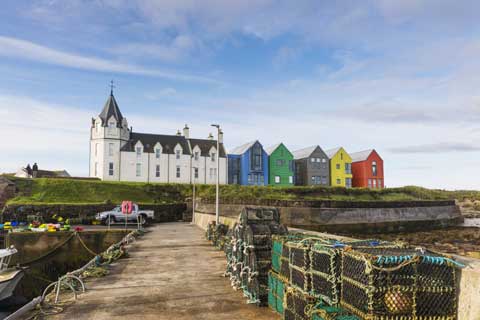
One of the most famous stops on the route is the village of John O'Groats, which has become synonymous with journeys between here and Land's End, the most south-westerly point in mainland Britain - a distance of more than 870 miles.
What to See at John O'Groats
Visitors can stand beside the iconic signpost, explore the rugged coastline and enjoy views across to Orkney.
Why Visit?
John O'Groats provides a fitting finale to any North Coast 500 adventure and offers excellent possibilities for wildlife spotting.
NC500 Q&A
What are the best viewpoints on the North Coast 500?
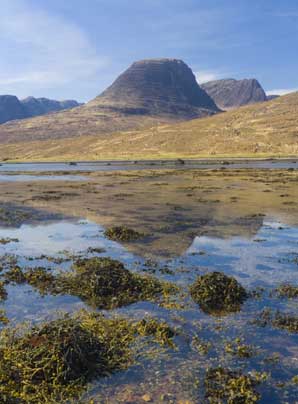
There are so many that it's difficult to highlight them all, but here are some of our favourites: Bealach na Bà, Applecross, Torridon, Dunnet Head, and Durness offer the route's most dramatic views.
How many days do you need for the NC500 route?
Most travellers take 5–7 days to comfortably complete the North Coast 500, allowing time for stops and walks.
What is the most scenic part of the NC500?
The west coast around Torridon, Applecross, Achmelvich and Durness is widely considered the most scenic stretch.
Is the North Coast 500 difficult to drive?
Some sections include steep gradients and single‑track roads, especially around Bealach na Bà and the west coast.
What are the must‑see stops on the NC500?
Top highlights include Bealach na Bà, Applecross, Torridon, Ardvreck Castle, Achmelvich Beach and John O'Groats.
When is the best time to drive the NC500?
May, June and September offer the best mix of good weather, long daylight and fewer crowds.
Are there beaches on the NC500?
Yes - Achmelvich, Balnakeil, Durness and many others feature white sand and turquoise water.
Can you do the NC500 without a car?
Yes, easily on guided tours or cycling. Public transport is limited along much of the route.
What wildlife can you see on the NC500?
If you are lucky, you might spot red deer, seals, dolphins, golden eagles and seabird colonies along the coast.
Is John O'Groats part of the NC500?
Yes - John O'Groats, Britain's most northerly village, is a popular stop, though Dunnet Head is the true northernmost point of mainland Britain.
Explore the North Coast 500 with Scottish Tours
You can explore the natural beauty that has made the North Coast 500 route so famous with Scottish Tours.
Our 8-day Skye, Orkney, and the North Coast 500 small-group tour from Edinburgh features the best of the Scottish Highlands.
Browse our Scotland Tours and book today.
Photo credits: VisitScotland, VisitBritain and Shutterstock
| TOUR TIP: Skye, Orkney and the North Coast 500 Small Group Tour 8 Days/7 Nights from Edinburgh |