
Scotland sits at the very edge of the European continent. Being surrounded on three sides by water, our climate is varied.
Winter Weather in Scotland
No matter where your travels take you, the weather can be unpredictable, so don’t forget to wrap up well.
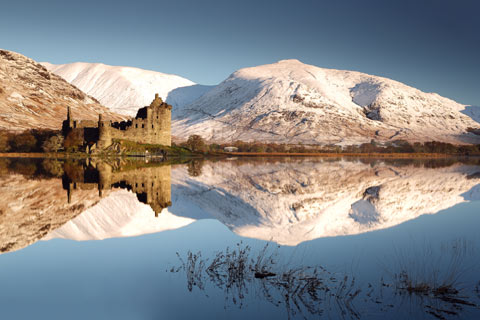
Although the winter months are the ideal time for a city break in Edinburgh, Glasgow or Inverness, don’t miss the chance for a tour into the Highlands where, if the weather is kind, you can be rewarded with stunning views of snow-topped mountains and mirror-like lochs.
Northern Lights in Scotland
Head to Caithness, the North West Highlands, Outer Hebrides or the Isle of Skye, where the sky is at its darkest for the best chance of viewing this natural phenomenon.
Winter Whisky and Cosy Scottish Pubs
The restricted daylight hours are a great excuse to find a cosy pub to relax in front of an open fire and, maybe, taste one of Scotland’s fine malt whiskies.
Average Winter Temperatures in Scotland
Glasgow 1-6 C°/6-12 C°
Inverness 1-6 C°/7-13 C°
Daylight 8 hours
Spring Weather in Scotland
The landscape changes too as young animals arrive on farms. In city parks, it’s time for ducklings, signets and other water life to make an appearance, much to the delight of children of all ages.
As the days go by, so the hours of daylight slowly extend and the sun starts to make its presence felt.
Spring Attractions and Castle Visits
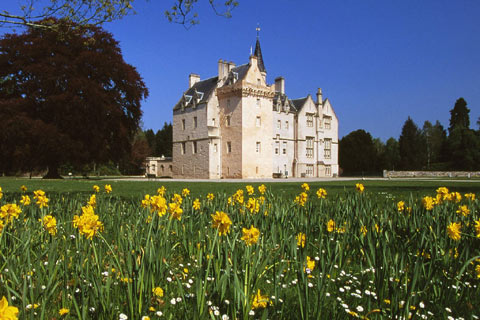
Seek out our historic castles and grand mansions to learn the stories that have shaped this nation of ours. Enjoy a stroll through the grounds to discover hidden gardens and captivating nature trails - it’s fun for all the family.
Why Visit Scotland in Spring
It will be much easier to get your first-choice accommodation or a table at your preferred restaurant. Getting to Scotland should be more comfortable too, but don’t forget to book well in advance to get the lowest prices.
Average Spring Temperatures in Scotland
Glasgow 1-2 C°/6-9 C°
Inverness 1-2 C°/7-9 C°
Daylight 13 hours
Summer Weather in Scotland
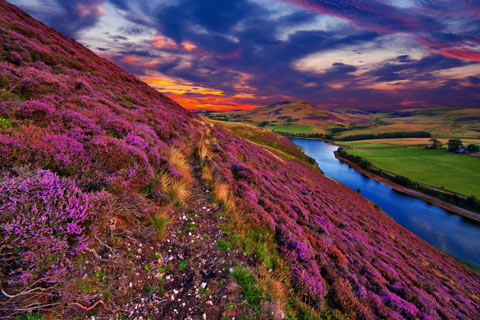
Sure, it can get busy, particularly if you travel during August, but it’s easy to get off the beaten track to discover those hidden gems that make touring Scotland so unique.
One of the advantages of travelling during the summer months is the long daylight hours which can extend your sightseeing opportunities well into the evening.
Summer Festivals in Scotland
Don’t forget the magical Royal Edinburgh Military Tattoo, which takes place on the esplanade of Edinburgh Castle. It’s true what they say: once seen, never forgotten!
In the West, Glasgow hosts the World Pipe Band Championships, while local Highland Games take place throughout the country, where you can experience traditional dancing, heavy athletics, and the magic of the massed pipes and drums.
Scottish Islands to Visit in Summer
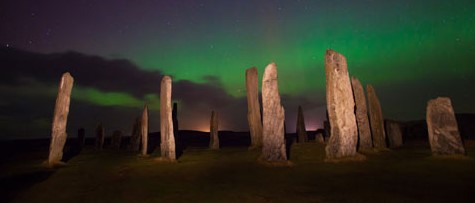
To the north, the Orkney Islands offer a Viking legacy and ancient sights that tell the story of 5,000 years of colourful history.
The Outer Hebrides islands of Harris and Lewis are famed for their rugged beauty, fantastic beaches, plentiful wildlife and unique cultural traditions, while Islay, a centre of whisky distilling with eight working distilleries, attracts whisky fans from all over the world to this beautiful island.
Average Summer Temperatures in Scotland
Glasgow 4-9 C°/12-17.5 C°
Inverness 4-9 C°/12-17 C°
Daylight 17 hours
Autumn Weather in Scotland
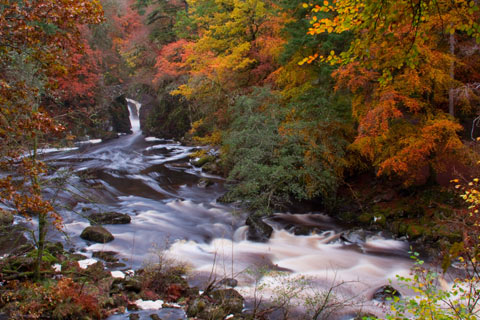
For many, Autumn is the perfect time to visit Scotland.
For a start, the days are still long, with bright blue skies and the weather is still on its best behaviour, most of the time. The hectic summer crowds have gone, and all in all, life is more relaxing.
Best of all, the autumn foliage turns into vibrant shades of brown, orange and gold, presenting pleasant warm views whichever way you turn.
Autumn City Breaks in Glasgow
Glasgow is famed for its numerous parks; indeed, the city is affectionately known as the “Dear Green Place”.
In addition to its green spaces, the city boasts ancient buildings, grand Victorian architecture, as well as a vibrant retail and dining scene. It makes the ideal autumn city break destination.
Best Places for Autumn Colours in Scotland
Head to Highland Perthshire, known as “Big Tree Country”, for magical walks to experience tumbling waterfalls and trees festooned with golden leaves.
When it comes to stunning autumn views, it doesn’t get much better than Loch Achray in the heart of the Loch Lomond and Trossachs National Park, which is easily accessible on a day tour from Edinburgh or Glasgow.
Loch Maree, one of the highlights of the North Coast 500 route, is considered by many to be Scotland’s most scenic loch. The view certainly has the wow-factor thanks to the golden hues of the ancient Caledonian Pinewoods.
Average Autumn Temperatures in Scotland
Average Temperatures (Min/Max)
Edinburgh 9-11.5 C°/16.5-19C°
Glasgow 9-11 C°/16-19 C°
Inverness 9-11 C°/16-19 C°
Daylight 11 hours
What to Wear in Scotland
When packing for a trip to Scotland, savvy travellers always pack layers.
It’s a popular saying that we can experience all four seasons in one day, so it’s best to come prepared.
Scotland Packing List Essentials
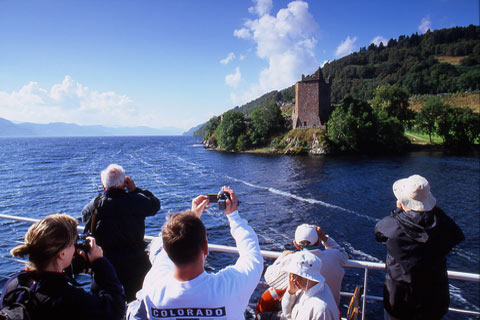
When it comes to your Scotland packing list, don’t forget a light waterproof coat or jacket and comfortable shoes so that you can enjoy an after-dinner stroll amongst your Highland surroundings.
It’s wise to include a heavier sweater, too, especially if your tour includes a ferry journey or an optional loch cruise.
Of course, you can sit inside, but it’s much more fun up on deck, enjoying the sea air and stunning views!
Dress Code on Scotland Tours
The dress code on tour is casual, and there is generally no need to dress up for dinner.
However, if you’re travelling on an escorted tour, you might want to include some smarter evening-dining attire.
FAQs About Weather in Scotland
What is the best time of year to visit Scotland?
Spring and autumn are popular times to visit Scotland because there are fewer crowds, comfortable travel conditions and colourful scenery.
Does it rain a lot in Scotland?
Scotland’s weather can be unpredictable, but rain showers often do not last long because of the country’s ever-changing weather patterns.
Which side of Scotland is wetter?
The west coast of Scotland is generally milder and wetter, while the east coast is usually cooler and drier.
Can you see the Northern Lights in Scotland?
Yes, Scotland is one of the best places in the UK to see the Northern Lights, especially in Caithness, the North West Highlands, the Outer Hebrides and the Isle of Skye.
What are the daylight hours like in Scotland during summer?
Summer daylight hours in Scotland can reach around 17 hours, allowing plenty of time for sightseeing and touring.
What should I pack for a trip to Scotland?
Layered clothing, a waterproof jacket, comfortable shoes and a warm sweater are recommended for travel in Scotland.
Is autumn a good time to visit Scotland?
Autumn is considered by many to be one of the best times to visit Scotland, thanks to colourful foliage, fewer crowds and mild weather.
What festivals take place in Scotland during winter?
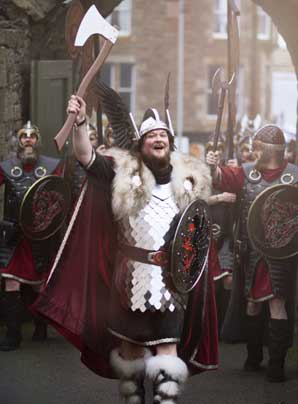
Popular winter events include Hogmanay, Burns Night and Up Helly AA in the Shetland Islands.
Which Scottish islands are best to visit in summer?
Orkney, Harris, Lewis and Islay are popular summer island destinations known for history, beaches, wildlife and whisky.
Is Scotland suitable for a winter Highlands tour?
Yes, winter tours in the Highlands can offer stunning views of snow-topped mountains, mirror-like lochs and cosy pubs with open fires.