Planning a trip to Scotland is an exciting adventure — but a little practical knowledge goes a long way. Whether you’re exploring dramatic landscapes, visiting historic cities, or venturing off the beaten track, understanding how everyday things work will make your journey smoother. From currency to customs, public holidays to power sockets, here’s everything you need to know before you go.
Scotland is making substantial strides in accessibility. Many major attractions, transport hubs, and accommodation providers have step-free access, ramps, lifts, and disabled facilities. Accessible taxis are widely available in larger cities such as Edinburgh and Glasgow.
Almost all public transport in Scotland is fully accessible with wheelchair ramps and, on city buses, lowering suspension to assist boarding and alighting. Newer trains and buses provide visual and verbal travel information. Train companies offer assistance to passengers travelling on their services. You can get more information here.
Ferries and airports also provide mobility support on request. Accessible accommodation ranges from hotels with adapted rooms to self-catering cottages with accessible bathrooms.
Attractions listed on VisitScotland usually include detailed accessibility information.
Euan’s Guide provides reviews of tourist attractions throughout Scotland from a disabled perspective, and VisitScotland, our National Tourist Board, offers details for accessible accommodation.
Radar Keys offers disabled people access to locked public toilets which are located in public spaces, transport hubs, bars and cafes throughout Scotland.
Banks are usually open Monday to Friday, from 9:00 am to 5:00 pm, and some branches open on Saturday mornings. ATMs (cash machines) are widely available and usually free to use with UK and international debit or credit cards.
Contactless payments are common in shops, cafés, and restaurants. Online banking apps are reliable for managing money during your stay.
Rural areas may have fewer ATMs, so it’s sensible to withdraw cash before venturing into the countryside. It is advisable to carry enough money for your immediate needs in case a machine is not in service.
Currency exchange is straightforward. Exchange bureaux can be found at airports, major railway stations, post offices, and some banks.
Larger towns and tourist areas often offer competitive exchange rates, but it’s worth comparing fees. Selected branches of Marks and Spencer offer Bureau de Change facilities.
Many travellers prefer using ATMs or cards to avoid poor rates. Keep a small amount of cash for rural locations where cards may not be accepted.

Scotland’s weather is famously changeable. The climate is temperate maritime, which means mild temperatures year-round with relatively high rainfall. Generally speaking, the East Coast tends to be cool and dry, the West Coast milder and wetter.
Summer (June to August) brings average highs of 15–19 °C (59–66 °F), long daylight hours, and cool nights.
Spring and autumn can be beautiful, with crisp air and vivid colours.
Winter (December to February) is cool and damp, with average highs around 5 °C (41 °F), though colder in the Highlands where snow is common.
Always pack waterproofs and dress in layers - it’s not unusual to experience sunshine, showers, and wind all in one day.
Credit and debit cards are accepted almost everywhere. Visa and Mastercard are the most widely used payment methods. American Express may not be accepted in smaller businesses.
Contactless payment is common, and mobile payment platforms are widely supported.
In rural areas, small businesses sometimes prefer cash or have minimum card spend requirements. It’s best to carry a little cash for taxis, small shops, or tips.
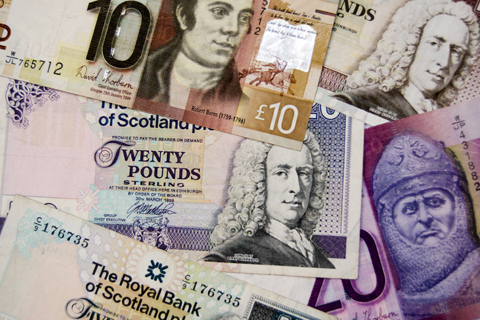
Scotland uses the pound sterling (£). Scottish banks issue Scottish banknotes and are legal tender throughout the UK. Bank of England and Northern Ireland banknotes are also accepted in Scotland. Occasionally, shops outside Scotland may be unfamiliar with Scottish notes, so it’s wise to use or exchange them before leaving. Coins are the same throughout the UK.
Travellers arriving from outside the UK can bring in goods up to their personal allowance without paying tax or duty. This typically includes a set amount of alcohol, tobacco, and other goods.
Exceeding these allowances requires declaration and may incur charges. Some foods, plants, and animal products are restricted or prohibited.
If arriving from outside the UK, always check the latest customs regulations through HM Revenue & Customs before travelling.

In Scotland, cars drive on the left-hand side of the road, and seat belts are compulsory. National speed limits are posted in miles per hour: 30 mph (48 km/h) in built-up areas, 60 mph (97 km/h) on single carriageways, and 70 mph (113 km/h) on motorways and dual carriageways unless otherwise stated.
A valid driving licence is required - most foreign licences are accepted for short stays. You must carry insurance. Petrol stations and electric charging locations are common along major roads but can be sparse in remote areas, so refuel regularly.
Scotland has many scenic rural routes with narrow, single-track roads - use passing places courteously. Drink-driving laws are strict, and mobile phone use is illegal unless hands-free.
Scotland uses 230 volts AC at 50 Hz with a three-pin Type G plug. Travellers from Europe and North America may need an adapter. Universal travel adapters are readily available.
Most hotels and self-catering accommodation provide ample sockets, though carrying a multi-plug adapter can be handy.
USB or plug sockets can be found on most public transport.
Foreign embassies are based in London, but many countries have consulates or honorary consuls in major Scottish cities. They can assist with passport replacement, legal issues, or emergencies. Visitors should check the nearest consular contact details before travelling.
If you need urgent assistance and your country has no consulate in Scotland, contact your embassy in London or the 24-hour emergency number for your government.
In an emergency, dial 999 to reach police, fire or ambulance services. For non-urgent medical advice, dial 111. Scotland’s emergency services are efficient and available 24/7. Hospitals and clinics provide excellent care; non-UK visitors may need travel insurance to cover medical costs. Pharmacies are widely available for minor health concerns.

The primary language in daily use is English. You will find a wide variety of regional dialects in use throughout the country, which adds local colour to your travels. During your travels in Scotland, you'll come across some interesting words and phrases used in everyday conversation. Some of these have been influenced by Scots, the traditional language of the lowlands.
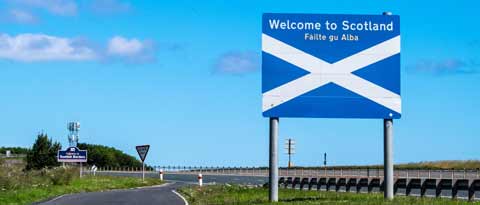
The Highlands and the Islands are the cultural home of the Gaelic language, which is spoken by around 60,000 people today. In recent years, there has been a resurgence in interest in the language. On your travels, you will see Gaelic appearing on road signs, at train stations and on TV and radio.
In addition to our indigenous languages, over 170 other tongues can be heard in Scotland thanks to our diverse population.
Royal Mail runs the UK’s postal service. Red post boxes are easily recognisable, and post offices offer mailing, parcel delivery, currency exchange, and bill payment services. Delivery is offered throughout Scotland, including remote areas. First-class post usually arrives the next day within the UK.
Each year, Royal Mail issues a number of commemorative stamps that celebrate anniversaries and special events. These can be purchased at larger Post Offices or directly from the Post Office website.
The Scottish Ministers set Scottish bank holidays, which are observed throughout the country. The National holidays are:
* If the holiday falls on a Saturday or Sunday, the holiday will be substituted on a weekday, usually the following Monday.
Local authorities set public holidays, which vary by area and might affect the opening hours of shops, attractions, and transport services. Always check in advance if travelling during the festive period or bank holidays.
Smoking is prohibited in all indoor public spaces, including restaurants, bars, and hotels. Many establishments provide designated smoking areas outside. Vaping is also restricted in some places. It is illegal to smoke in a vehicle with children present.

The UK country code is +44, and Scotland’s area codes begin with 01 or 02. Mobile coverage is excellent in cities and towns, but can be patchy in remote areas like the Highlands or islands.
It is still possible to see iconic red telephone boxes in our cities and some rural locations. In reality, most people use mobile or cell phones to make calls and access data services.
Free Wi-Fi is widely available in hotels, cafés, visitor centres, and on many public transport services.
Purchasing a UK SIM card or an eSIM can be a cost-effective option for international visitors.
Most hotels and guest houses offer free-to-air TV channels. BBC Scotland and other national broadcasters provide news, entertainment and local programming. Many accommodations also offer smart TVs with streaming services.
Scotland operates on Greenwich Mean Time (GMT) from late October to late March and British Summer Time (GMT+1) from late March to late October.
Daylight hours vary widely with the seasons — in midsummer, it can remain light until after 10 pm, while winter nights draw in early.

Tipping is customary but not compulsory. In restaurants, 10–15% is typical if service is not included. A tip is not necessary if a service charge has been added to the bill by the establishment.
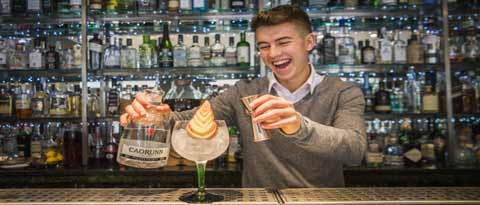
Tipping in bars is not expected; however, if the bar staff have been particularly helpful to you, say “take one for yourself”. That means “I’ll buy you a drink”. The server will then add a tip before giving you your change (typically £1.00) if you paid by cash, or to the total if you are paying by card.
For taxi fares, it is usual to pay 10% of the fare or round up to the nearest pound (£) as a minimum.
Hotel porters, guides, and tour drivers may be tipped for good service.
Travel insurance is strongly recommended. It should cover medical costs, lost luggage, cancellations, and delays. Visitors from outside the UK will need insurance to cover healthcare, as treatment is not free for non-residents. Always check policy details carefully.
No special vaccinations are required to enter Scotland. Routine immunisations should be up to date. Travellers from countries with specific health risks should check UK entry requirements before travelling.
Value Added Tax (VAT) is currently charged at 20% on most goods and services. Some items, like children’s clothing and certain foods, are zero-rated. Non-UK visitors may be able to reclaim VAT on eligible goods purchased during their trip, provided they are exported directly to their home country.
It is not possible to claim back VAT on services such as tours or accommodation. Click here to discover more about VAT refunds.
Scotland’s tap water is among the cleanest in the world, particularly in rural and Highland areas where it comes from natural sources. It’s safe to drink straight from the tap.
Bottled water is widely available, but refilling a reusable bottle is more sustainable.
Scottish Water has established a network of Top Up Taps, where you can fill your own water bottle.
The UK uses a mix of imperial and metric systems. Road distances and speed limits are measured in miles. Petrol is sold in litres. Food is often labelled in grams or kilograms, though pints remain standard for drinks in pubs.
Visitors may encounter both systems interchangeably.
Quality Sightseeing since 1907
For over 100 years we've been making touring Scotland a quality experience for visitors from all over the World. Over the years our Scottish tours have been chosen by many thousands of travellers who want to tour Scotland in comfort and style.
Scottish Tours has a long and distinguished pedigree and we are proud to include the famed names of Scottish Motor Traction, Scottish Omnibuses and Eastern Scottish as part of our heritage. For more information on our history click here
Today we continue to offer our clients the highest standards of service and the very best value. You can tour Scotland with Scottish Tours confident in the knowledge that no one has more experience.
Tour Scotland with Scottish Tours. Discover the highlights of Scotland on a tour to Loch Ness, The Scottish Highlands, Skye and Loch Lomond.