
Stretching from Inverness towards the North Sea, the Moray Firth is one of Scotland's most interesting coastal regions. Along its shores, you'll discover colourful fishing villages, historic castles, picturesque harbours and miles of sandy beaches.
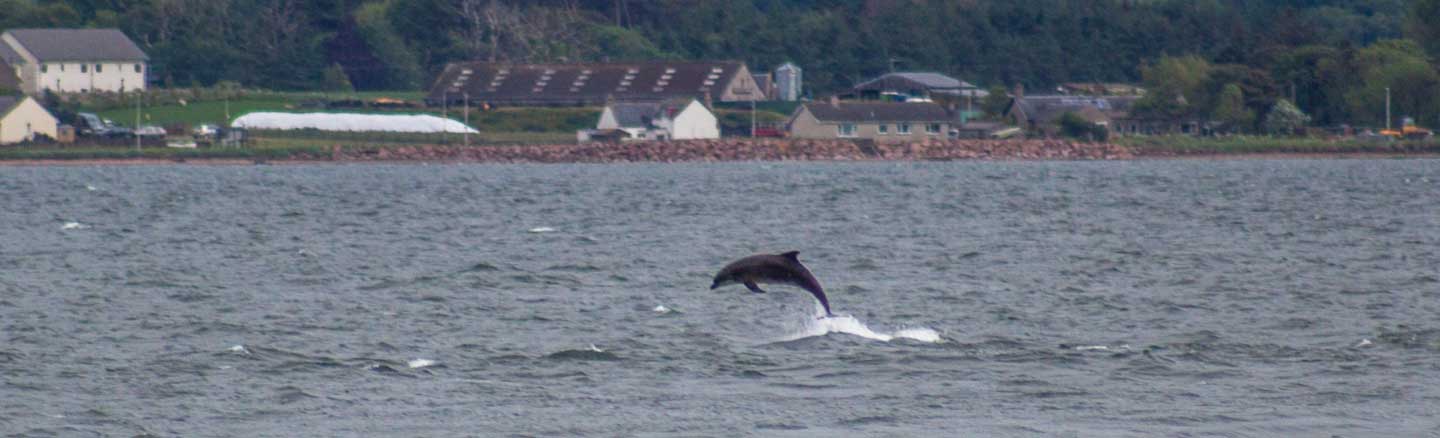
The firth's waters are famous for their wildlife, particularly resident bottlenose dolphins that often swim close to shore.
Whether you're planning a scenic drive, a family day out or a longer holiday in the Scottish Highlands, there's plenty to do when discovering the Moray Firth coastline.
Where is the Moray Firth?
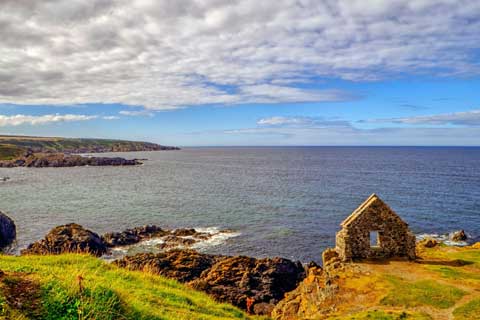
The Moray Firth is a large inlet of the North Sea on Scotland's northeastern coast. Its waters extend from Inverness, at the head of the firth, eastwards towards the open sea, with the wider coastline reaching towards Duncansby Head in Caithness and Fraserburgh in Aberdeenshire.
The firth takes its name from the historic region of Moray, which occupies part of its southern coastline.
Along its shores are the Black Isle, Easter Ross, Moray and the coastal communities of the northeast. Visitors can easily reach the area from Inverness, making it an attractive destination for exploring the Highlands.
What Does the Word Firth Mean?
The word firth comes from Old Norse and is used in Scotland to describe a coastal inlet, estuary or arm of the sea.
Scotland has several famous firths, including the Firth of Forth near Edinburgh, the Firth of Clyde on the west coast and the Solway Firth in the south.
The Moray Firth is particularly impressive for its size, varied coastline, and the impressive mountains visible in the distance.
Exploring the Moray Firth Towns and Villages
The Moray Firth Towns offer an interesting mixture of maritime history, traditional Scottish architecture and beautiful coastal scenery.
From the picturesque villages of the Black Isle to the historic fishing ports of Moray, each has its own character and attractions.
Inverness – Gateway to the Moray Firth
Scotland's Highland Capital stands at the mouth of the River Ness, where it flows into the Beauly Firth and onwards towards the Moray Firth.
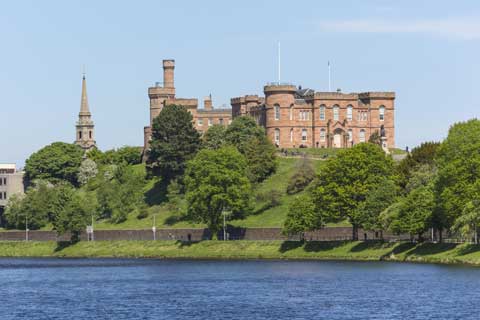
Inverness makes an excellent starting point for exploring the coastline. The city has an attractive riverside setting, a lively shopping centre and a good selection of restaurants, traditional pubs and hotels.
Popular attractions include Inverness Cathedral, the Victorian Market, and pleasant walks along the River Ness and the Ness Islands.
Just outside the city, the historic battlefield of Culloden and the prehistoric burial cairns at Clava provide a fascinating introduction to Highland history.
Fortrose and Rosemarkie – Historic Villages on the Black Isle
The neighbouring communities of Fortrose and Rosemarkie are among the most attractive places to visit on the Black Isle.
Fortrose is known for the remains of its 13th-century medieval cathedral. The village also has a charming High Street and an attractive setting overlooking the Moray Firth.
A short distance away, Rosemarkie has a lovely sandy beach, backed by woodland and coastal paths.
The Groam House Museum is particularly interesting for its collection of carved Pictish stones, which offer insight into the people who lived in this part of Scotland more than a thousand years ago.
Chanonry Point – Watching Dolphins in the Moray Firth
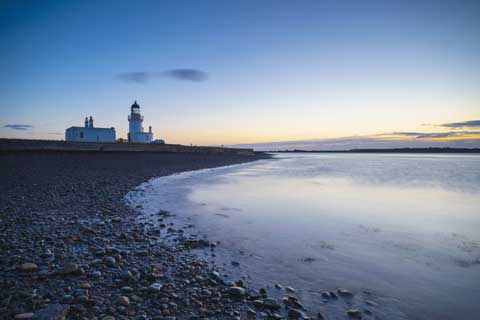
One of the Black Isle's best-known attractions is Chanonry Point, a narrow spit of land extending into the Moray Firth between Fortrose and Rosemarkie.
The point is famous as one of Britain's best places to watch wild bottlenose dolphins from the shore.
During favourable conditions, dolphins can sometimes be seen swimming remarkably close to the beach as they hunt for fish moving through the tidal channel.
Chanonry Point is also home to a distinctive lighthouse and offers extensive views across the firth towards Fort George.
Cromarty – A Historic Highland Seaport
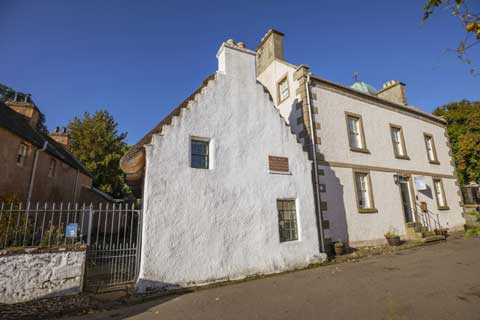
At the northeastern tip of the Black Isle, Cromarty is a beautifully preserved former seaport with narrow streets, historic houses and an attractive waterfront.
During the 18th and 19th centuries, Cromarty was an important centre for fishing and maritime trade. Many of its old buildings survive, giving the town a distinctive character.
Visit the Hugh Miller Birthplace Cottage and Museum to learn about the celebrated Scottish geologist and writer who was born here in 1802.
Cromarty is also a good starting point for coastal walks and wildlife-watching excursions. The surrounding waters are home to seabirds, seals, and occasionally dolphins.
Discovering Easter Ross and the Northern Shore
North of the Black Isle, the coastline of Easter Ross is dotted with historic villages, attractive beaches and small fishing harbours.
This part of the Moray Firth is less frequently visited than some of Scotland's better-known tourist destinations, but it rewards visitors who enjoy exploring away from the busiest routes.
Tain – Scotland's Oldest Royal Burgh
The historic town of Tain is traditionally recognised as Scotland's oldest royal burgh, with a charter dating to the 11th century.
Its attractive town centre contains several historic buildings, including the impressive St Duthus Collegiate Church.
Tain is also associated with whisky production. The nearby Glenmorangie Distillery is one of Scotland's best-known Highland single malt producers.
Visitors can also explore the nearby coastal scenery and enjoy views across the Dornoch Firth.
Portmahomack – A Picturesque Fishing Village
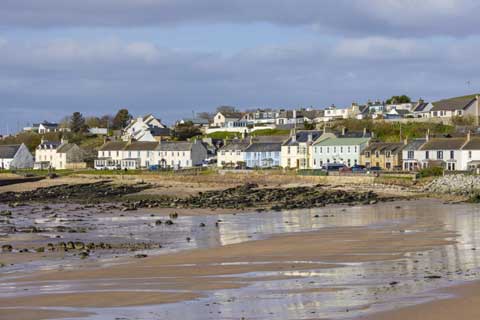
Situated on the Tarbat Peninsula, Portmahomack is a delightful coastal village with a sheltered sandy beach and a small harbour.
Its whitewashed cottages, traditional fishing boats and peaceful setting make it an attractive place to visit.
The village is also home to the Tarbat Discovery Centre, which tells the story of an important early medieval Pictish monastery discovered nearby.
From Portmahomack, walkers can follow coastal paths towards Tarbat Ness Lighthouse, one of Scotland's tallest mainland lighthouses.
Shandwick, Balintore and Hilton – The Seaboard Villages
The three neighbouring villages of Shandwick, Balintore and Hilton are collectively known as the Seaboard Villages.
Once thriving fishing communities, they are now popular for their beaches, coastal walks and traditional village atmosphere.
Balintore has an attractive harbour and a sandy beach, while Shandwick is known for its impressive Pictish standing stone.
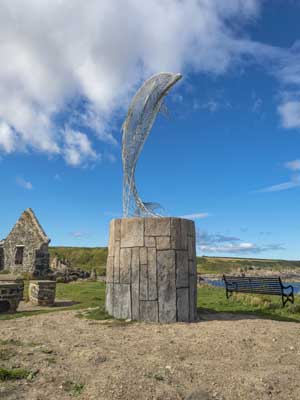
Look out for the Mermaid of the North, a sculpture sitting on rocks beside the shore at Balintore.
Exploring the Southern Moray Firth Coast
The southern shore of the Moray Firth offers some of Scotland's most attractive coastal towns, historic harbours and long sandy beaches.
From Nairn to Findhorn, Lossiemouth and Cullen, there are plenty of opportunities to explore traditional fishing communities and enjoy the fresh sea air.
Nairn – A Traditional Scottish Seaside Resort
The seaside town of Nairn has been a popular holiday destination since Victorian times.
Its main attractions are two magnificent sandy beaches, a pleasant promenade and an attractive harbour.
Nairn is particularly popular with families, walkers and golfers. The town has two well-known championship golf courses and a reputation for relatively dry, sunny weather.
Nearby Culbin Forest offers woodland trails, cycling routes, and opportunities to explore the dunes and coastline overlooking the Moray Firth.
Findhorn – Beaches, Boats and Beautiful Scenery
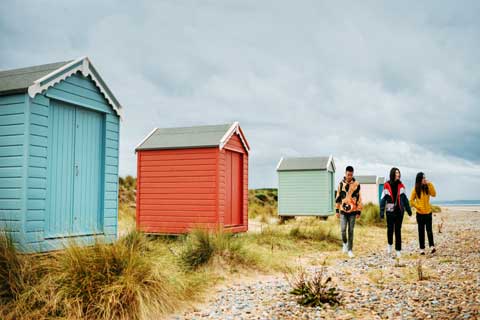
At the mouth of Findhorn Bay, the picturesque village of Findhorn is known for its colourful cottages, sailing boats and extensive sandy beach.
The village has a long maritime history and remains popular with sailing enthusiasts.
Findhorn Beach stretches eastwards towards Burghead, providing plenty of space for walking, beachcombing and enjoying views across the Moray Firth.
Nearby, the Findhorn Ecovillage is internationally known for its ecological, community-based approach to living.
Burghead – An Ancient Pictish Stronghold
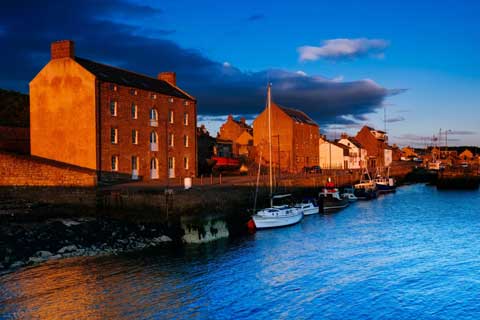
Burghead occupies a rocky headland overlooking the Moray Firth and has a fascinating history stretching back more than a thousand years.
The town stands on the site of an important Pictish fort, once one of the largest in northern Scotland.
Visitors can explore the remains of the fortifications and discover the mysterious Burghead Well, an ancient underground chamber whose original purpose remains uncertain.
Burghead also has an attractive harbour and is famous for the Burning of the Clavie, a traditional fire festival held each January.
Lossiemouth – The Jewel of the Moray Firth
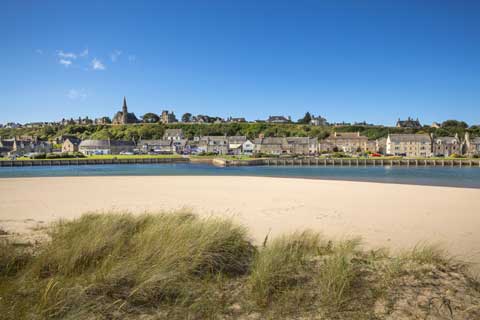
Often called the Jewel of the Moray Firth, Lossiemouth is an attractive coastal town with two excellent sandy beaches.
A pedestrian bridge across the River Lossie leads to East Beach, which is backed by extensive dunes.
West Beach is equally impressive, with views towards Covesea Lighthouse and the surrounding coastline.
Lossiemouth also has a busy harbour, a selection of cafés and restaurants and a long association with the Royal Air Force.
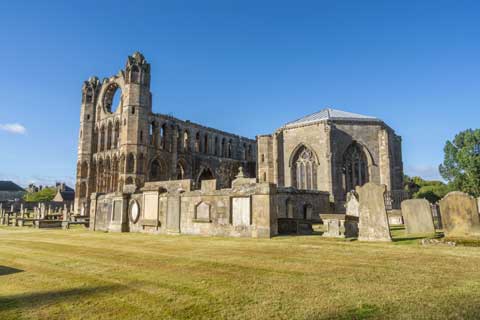
Nearby, visitors can explore the historic town of Elgin and the impressive ruins of Elgin Cathedral.
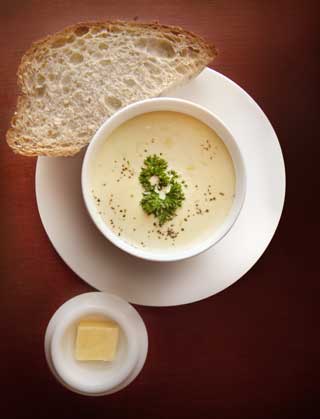
Cullen – Famous for its Harbour and Cullen Skink
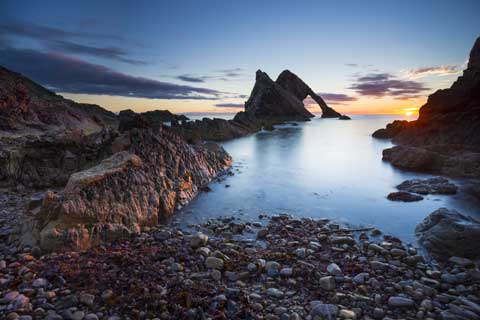
Portknockie – Bow Fiddle Rock
Pennan – The Famous Village from Local Hero
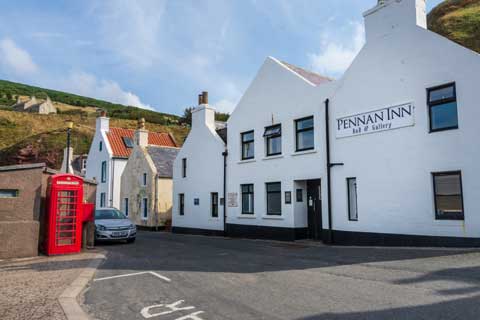
Nestled beneath dramatic red sandstone cliffs, Pennan is one of Scotland’s most picturesque and unspoilt fishing villages.
This tiny coastal hamlet, with its row of whitewashed cottages, small harbour, and pebble beach, offers breathtaking views across the Moray Firth and a glimpse into Scotland’s rich maritime heritage.
Pennan gained international fame as the fictional village of Ferness in the beloved 1983 film Local Hero, starring Burt Lancaster.
Visitors still come to see and photograph the iconic red telephone box featured in the movie.
Dolphins in the Moray Firth
One of the greatest attractions of the Moray Firth is its resident population of bottlenose dolphins.
These remarkable marine mammals are among the most northerly resident bottlenose dolphins in the world and are particularly well known for their size.
Adult dolphins can grow to around four metres long and are sometimes seen leaping clear of the water or swimming alongside one another.
Where Can You See Dolphins in the Moray Firth?
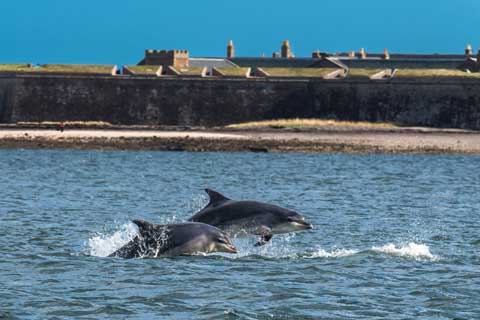
Chanonry Point on the Black Isle is one of the most popular locations for dolphin watching, particularly when tidal conditions bring feeding dolphins close to shore.
Other places to spot dolphins include the waters around North Kessock, Fort George, Cromarty, and parts of the southern Moray coastline.
Wildlife-watching boat trips are another way to explore the firth, although sightings can never be guaranteed.
For the best experience, bring binoculars, allow plenty of time and remember that these are wild animals in their natural environment.
Castles and Attractions Near the Moray Firth
The coastline offers more than beaches and fishing villages. Several of the Highlands' most interesting historic attractions are within easy reach.
Fort George – An Impressive Highland Fortress
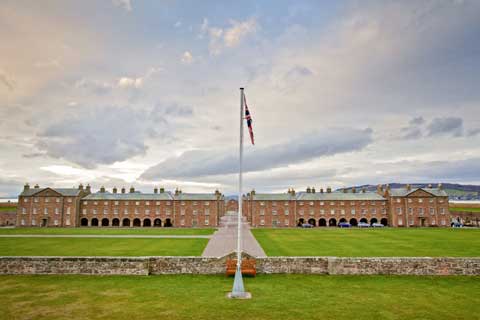
Standing on a narrow peninsula near Ardersier, Fort George is one of Europe's finest examples of 18th-century military engineering.
Built following the Jacobite Rising of 1745, the fortress was designed to strengthen government control over the Scottish Highlands.
Visitors can explore its massive defensive walls, historic military buildings and the Highlanders' Museum.
The ramparts also provide excellent views across the Moray Firth and occasional opportunities to spot dolphins.
Brodie Castle – A Historic Scottish Country House
A short drive from Nairn, Brodie Castle is an impressive historic house surrounded by parkland and gardens.
The castle was home to generations of the Brodie family and contains a fascinating collection of furniture, paintings and antiques.
Its grounds are particularly attractive in spring, when thousands of daffodils flower.
Elgin Cathedral – The Lantern of the North
Dunrobin Castle – A Magnificent Highland Castle Overlooking the Moray Firth
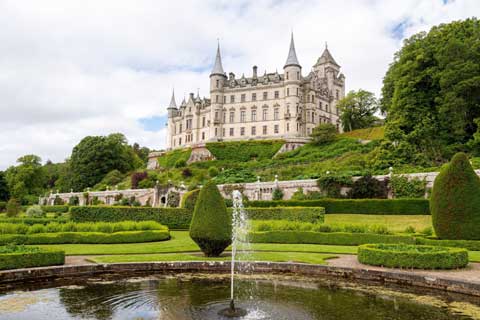
Overlooking the Moray Firth near Golspie in Sutherland, Dunrobin Castle is one of Scotland's most impressive stately homes. With its fairytale turrets, elegant towers and magnificent formal gardens, the castle resembles a French château.
Dating back to the 13th century, Dunrobin has been the ancestral home of the Earls and Dukes of Sutherland for centuries.
Visitors can explore its richly furnished rooms, admire collections of paintings and antiques, and discover the fascinating history of the Sutherland family.
The beautifully landscaped gardens, inspired by those at Versailles, slope towards the sea and offer wonderful views across the Moray Firth. Falconry displays take place during the summer.
Moray Firth FAQs
1. Where is the Moray Firth?
The Moray Firth is a large inlet of the North Sea on Scotland's northeastern coast. It stretches from Inverness towards the open sea, with its wider coastline extending towards Caithness and Aberdeenshire.
2. What does the word Firth mean in Scotland?
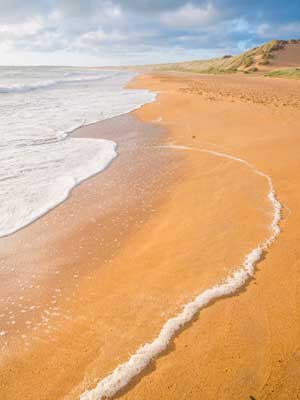
The word firth comes from Old Norse and describes a coastal inlet, estuary or arm of the sea. Scotland has several famous firths, including the Firth of Forth, Firth of Clyde and Moray Firth.
3. Where is the best place to see dolphins in the Moray Firth?
4. What are the prettiest towns and villages on the Moray Firth?
The Moray Firth coastline has many attractive towns and villages, including Cromarty, Fortrose, Rosemarkie, Findhorn, Lossiemouth, Cullen and Portknockie. Each offers something different, from historic harbours and traditional fishing cottages to sandy beaches and coastal walks.
Further east, Pennan is famous for its appearance in the Scottish film Local Hero.
5. What are the best castles to visit near the Moray Firth?
Dunrobin Castle near Golspie is one of the most impressive castles overlooking the Moray Firth, famous for its fairytale towers and formal gardens. Other historic attractions include Brodie Castle near Nairn, the magnificent 18th-century fortress of Fort George and the medieval ruins of Duffus Castle near Lossiemouth.
6. Can you explore the Moray Firth on a day trip from Inverness?
Yes, Inverness is an excellent base for exploring the Moray Firth. Popular day tours allow you to visit Dunrobin Castle, the Black Isle, Chanonry Point, Cromarty and the Moray Firth.
A popular day trip follows the Black Isle coastline, visiting Fortrose, Rosemarkie, Chanonry Point and Cromarty.
Alternatively, travel east through Nairn, Findhorn and Lossiemouth to discover attractive fishing villages, sandy beaches and historic attractions.
7. What are the best things to see and do around Inverness?
Popular attractions around Inverness include Loch Ness, Urquhart Castle, Culloden Battlefield, Clava Cairns and the Black Isle. Visitors can also explore the Moray Firth coastline, watch for dolphins at Chanonry Point or visit historic Fort George. Scottish Tours offers a selection of sightseeing excursions departing from Inverness.
8. Can you visit the Scottish Highlands and Moray Firth on a tour?
Inverness provides an excellent base for discovering the Scottish Highlands and the Moray Firth coastline. Visitors can combine time exploring the coastal villages with excursions to Loch Ness, the Cairngorms National Park and the Isle of Skye. Scottish Tours offers a range of Highland day trips from Inverness, making it easy to explore more of northern Scotland.
Discover the Moray Firth with Scottish Tours
If you want to explore the many attractions along the Moray Firth or discover more of the Scottish Highlands, then you are in the right place.
Browse our Scotland Tours and book today.
Photo credits: VisitScotland and Shutterstock
| TOUR TIP: Dunrobin Castle and the Northern Highlands One day tour from Inverness |